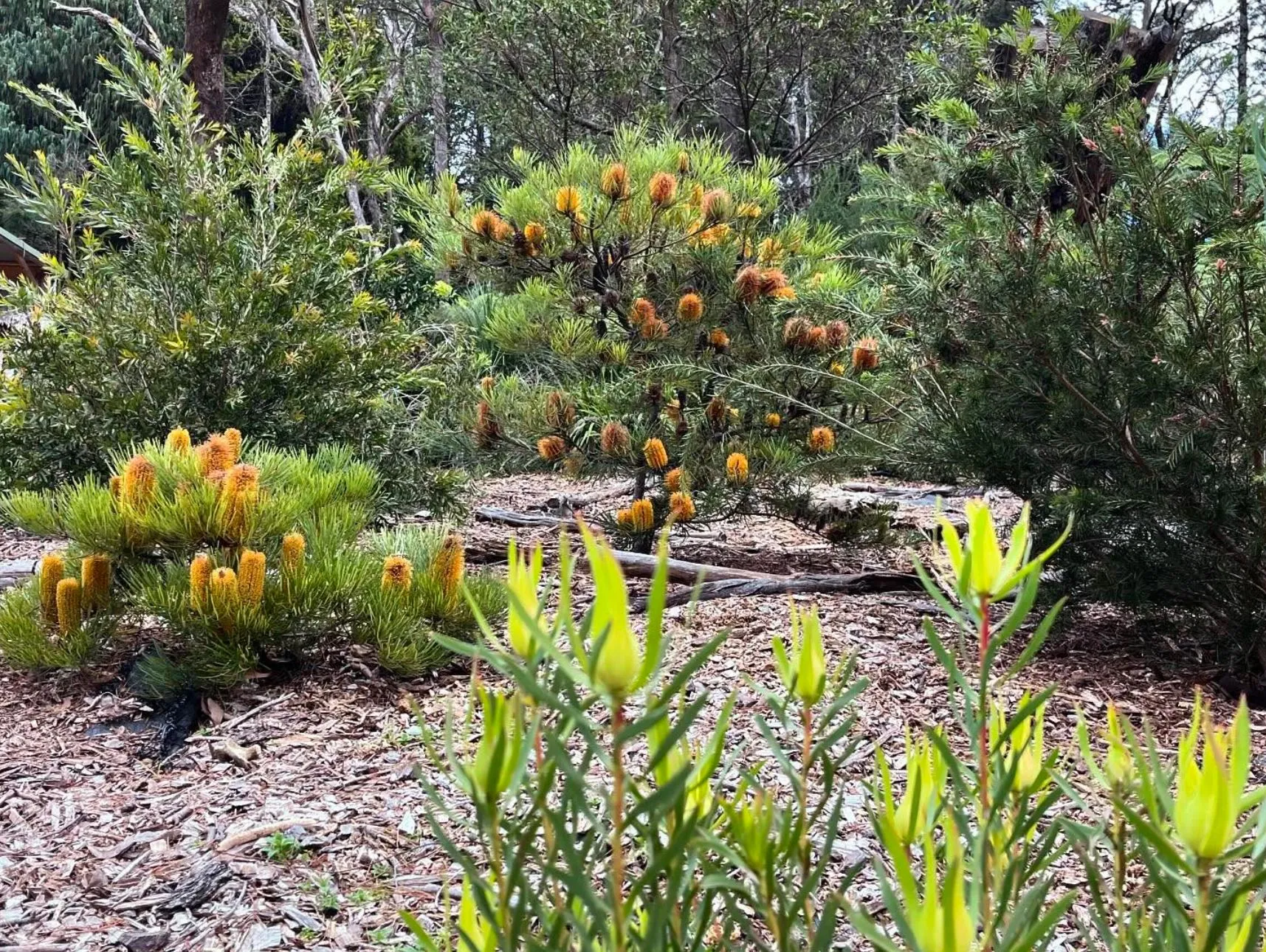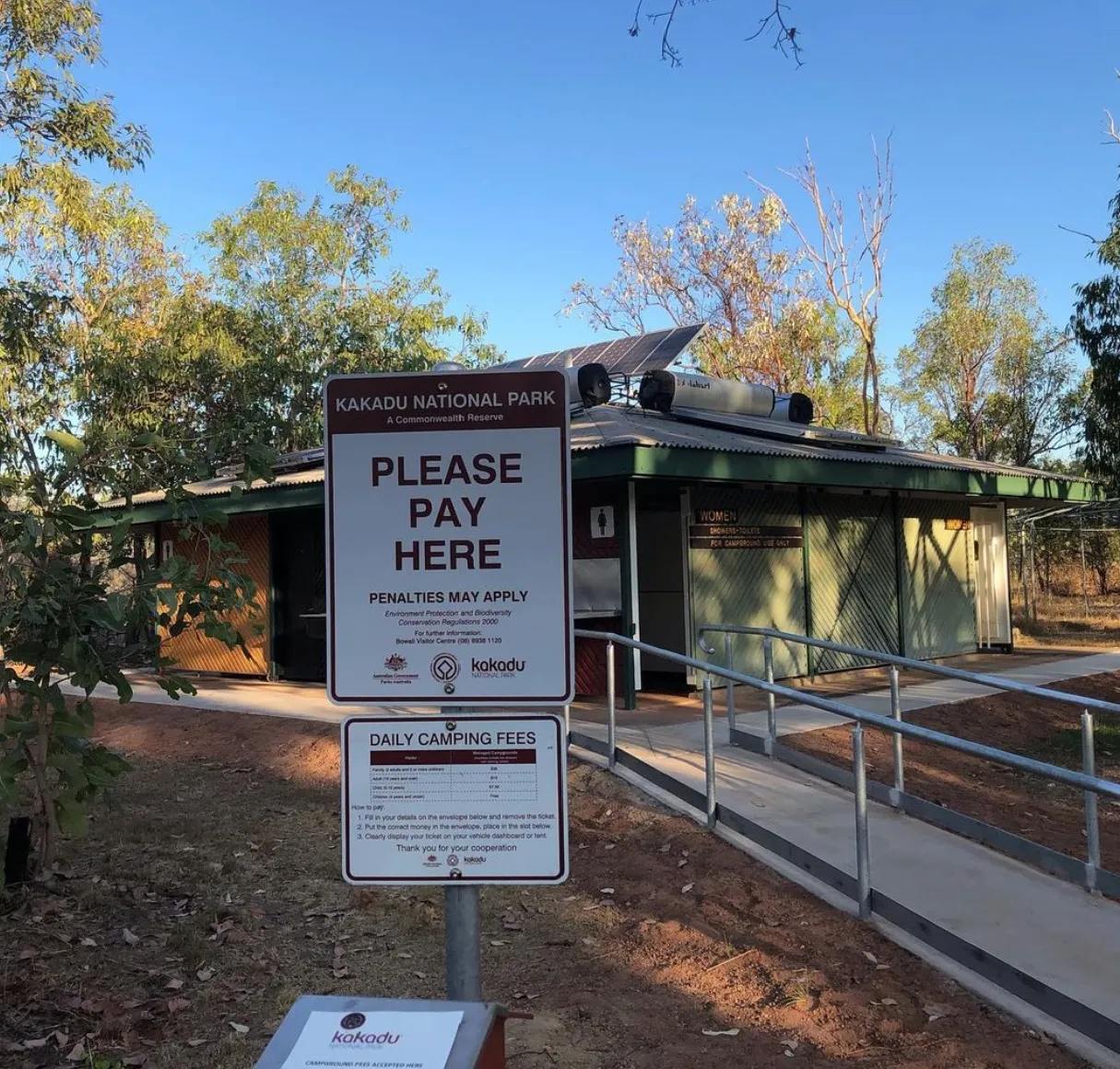
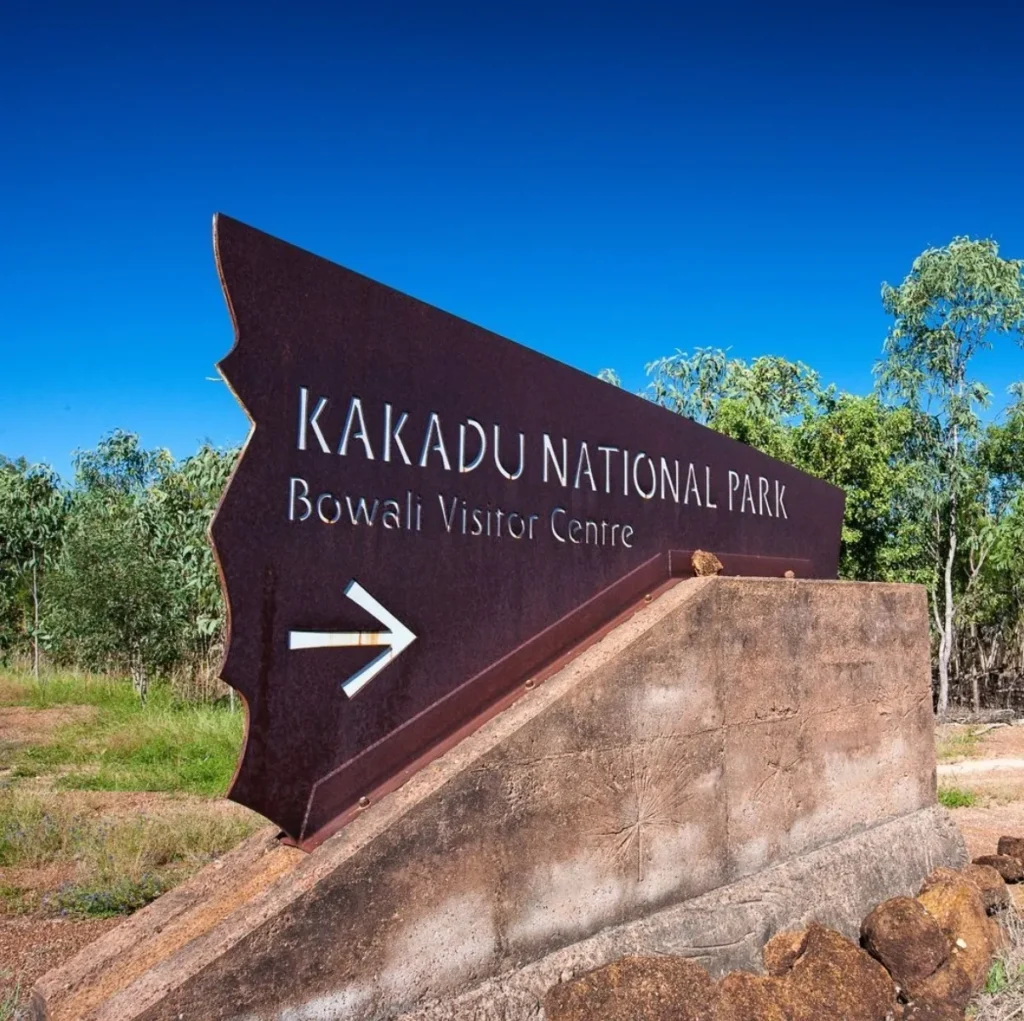
Kakadu National Park, a UNESCO World Heritage site in the Northern Territory of Australia, is a stunning piece of natural art that’s famous for its plant life. This huge park covers more than 20,000 square kilometres and is a living gallery of different landscapes, from rugged Stone Country to lush wetlands. It’s a testament to the deep connection between the indigenous people and their land.
Kakadu environment
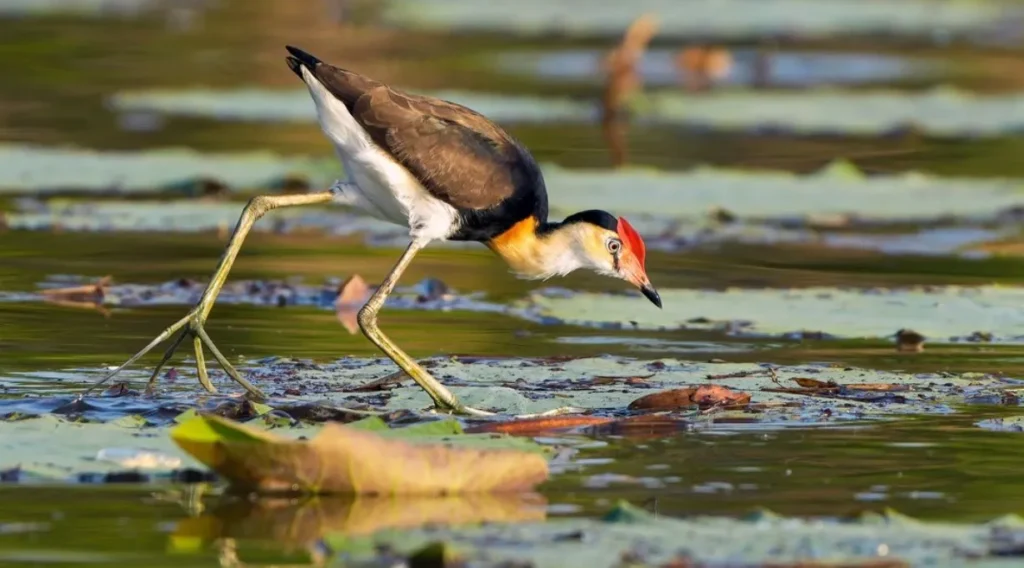
Kakadu National Park is famous for its landscapes and natural environment. From the green of Yellow Water Billabong to the rocky outcrops of Stone Country, nature is the main feature of the park and what gives it its different ecological zones. The park has a variety of vegetation communities adapted to climate and environmental conditions so there are many habitats that support numerous plant and animal species. These different habitats include extensive wetlands, rugged escarpments and fertile floodplains that define Kakadu’s unique environment.
Kakadu Biogeography
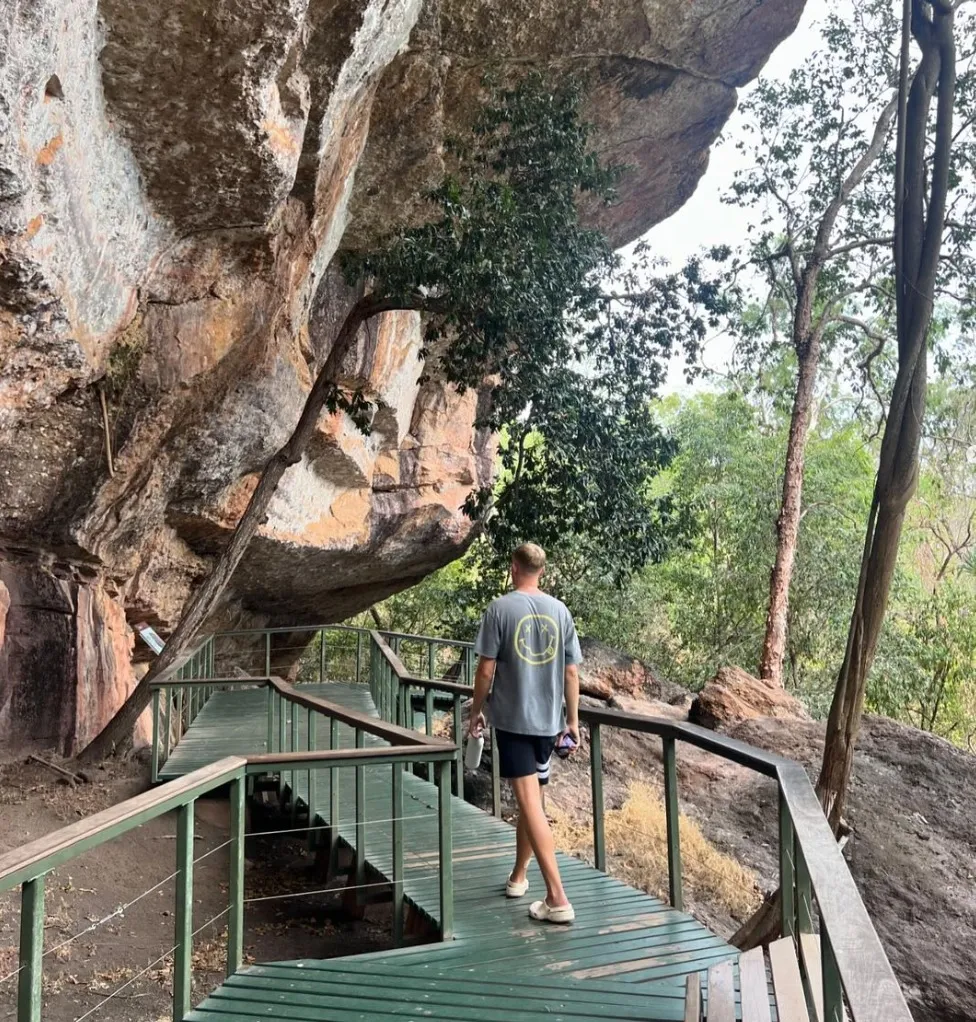
Kakadu National Park’s biogeography is determined by its geographical position at the intersection of tropical and subtropical climates. This unique position allows for many plant species to thrive. The park’s flora has elements of tropical rainforest that love heavy rain during the wet season and arid savannah that adapts to dry conditions during the dry season. Ancient rock art sites like Nourlangie Rock and many cultural heritage sites throughout provide a glimpse into how Aboriginal people used to live with the land.
Climate Zones: Wet and Dry Seasons

Two seasons affect the plants of Kakadu: the wet season and the dry season. It rains about 1 metre per year – forests are green; rainforest areas are stunning at this time because they look like giant jigsaw puzzles made up of plants from all over the world. For many species, this is the time to flower and fruit in the wetlands. Jim Jim Falls and Twin Falls, famous iconic falls, have plunge pools that have become focal points in the park during this time. The dry season, from May to October, is dry and affects plant growth and distribution. The flora adjusts to less water, and Kakadu’s landscapes turn to more muted colours.
Nature
Woodland and Savanna
Kakadu National Park’s woodland and savanna have unique plant communities with many different species, including many types of eucalyptus trees. These areas are home to land animals that are key to the park, providing ecological services like water regulation and soil stabilisation. The Stone Country areas are fire-sensitive and have ancient rock art that Indigenous people can never separate from their spiritual connection to these lands. The rocky outcrops and termite mounds are part of the scenery, which is one of its defining features.
Wetlands and Floodplains
The vast wetlands and floodplains of Kakadu are one of the most iconic landscapes of the park. These areas have many plants that thrive in the wet season with plenty of water. Indeed, this area is important for biodiversity in the park because it supports aquatic flora and native wildlife needs. However, water hyacinth is an example of how species interact in this dynamic environment. It’s important to acknowledge that these wetlands are cultural sites as many sacred sites and ceremonial areas are located in them, along with their green landscape.
Park with Many Plants
Kakadu has many plant species because it has many habitats and environments. They all play a part in the balance of its ecosystem by providing food and shelter for the many fauna species within. Kakadu’s botanical riches range from red apple berries that you can see from a mile away to speargrass that grows everywhere on earth, including in our beautiful park.
Red Bush Apple
A small tree known as Terminalia Ferdinandiana or Redbush apple is one of the many examples of plant diversity found in the different ecosystems of Kakadu National Park. It’s part of the woodland’s diversity because of its bright red fruit. The red bush apple grows in all sorts of environments in Kakadu, from swampy wetlands to rocky deserts.
Also, this fruit is a food source for local fauna, birds and small mammals and is important to Australian Indigenous culture. Traditional Aboriginal communities of Kakadu have used this plant for medicinal purposes. Parts of the tree, bark and leaves are used to treat sicknesses and are part of traditional medicine that has been passed down through generations in regional areas. This adaptability to environmental changes means the red bush apple is one of the hardy species that makes up Kakadu’s diversity.
Kakadu Plum
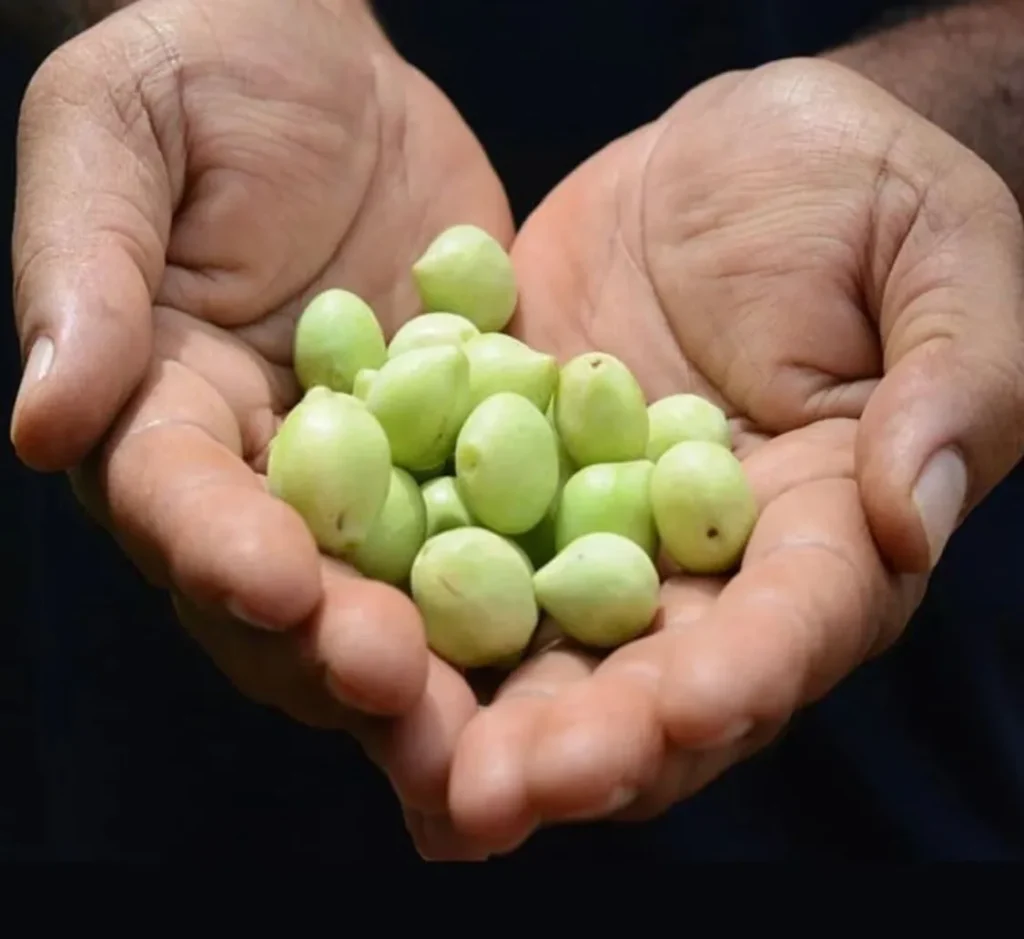
Terminalia Ferdinandiana, or Kakadu plum, is one of the many plant species in Kakadu National Park that is loved by locals and tourists. One of the distinctive features of these shrubs is the tiny green fruit that is highly sought after because of its high vitamin C and antioxidants. But one of the defining features of this national park is the Kakadu plum, apart from being used as an ingredient in traditional Aboriginal food it is also used medicinally.
Kakadu plum is used to make traditional Aboriginal foods, jams, sauces and bush tucker. This fruit has many medicinal uses and can be used to cure or treat many diseases. The Kakadu plum is of interest to scholars because of its high nutritional content and is now included in many modern health products and supplements. This plant goes beyond just nutrition because it’s part of the Kakadu people.
Speargrass
A basic species of the savanna ecosystems in Kakadu National Park is speargrass Heteropogon contortus. The grass grows during the wet season but remains green during the dry season. That’s why speargrass is one of the important components of the savanna that contributes to the stability and health of an ecosystem.
Seeds of speargrass are an important food source for many birds when they need extra nourishment at certain times of the year. That’s how important these grasses are to the balance of the ecosystem because after a fire which often happens in one dry season (‘savannas’) they regenerate very quickly. Soil stabilising and erosion control are some of the ways speargrass affects the different habitats in this park.
Turkey Bush
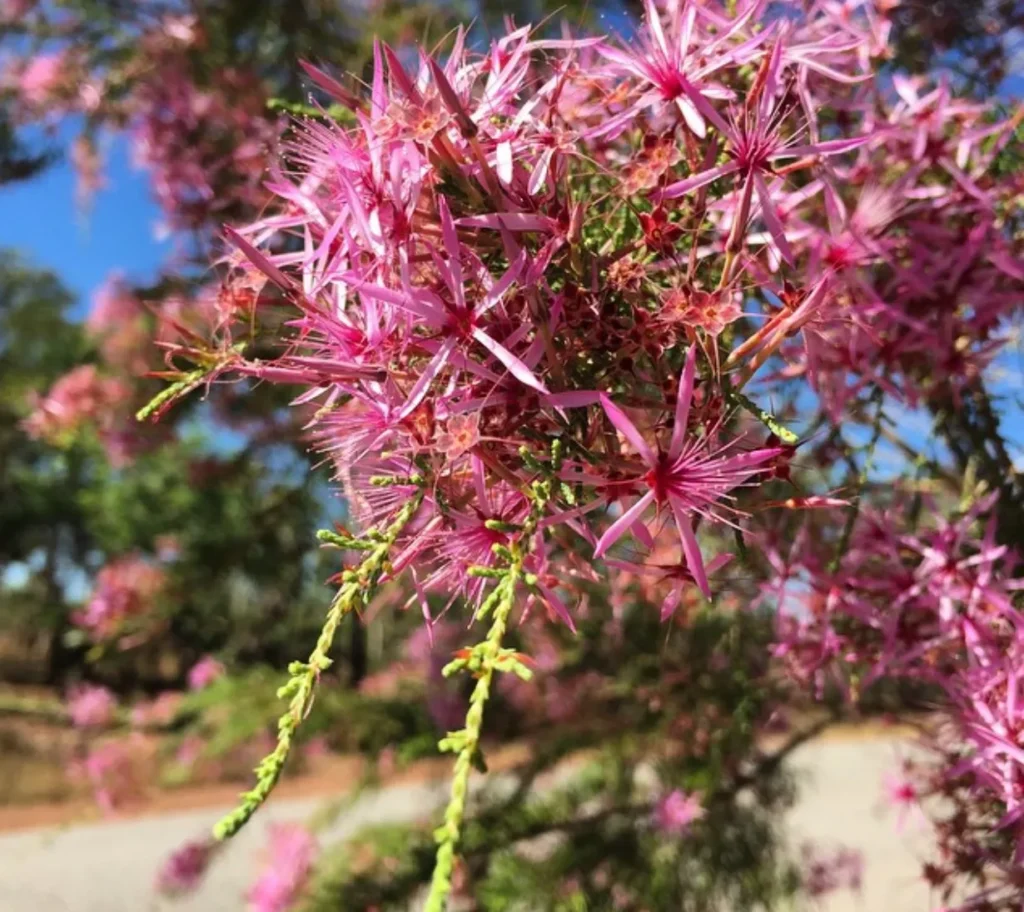
Eremophila sturtii, or turkey bush, is a hardy shrub that grows in arid and semi-arid areas of Kakadu National Park. It’s one of the only plants that will survive when all others have given up when the weather gets harsh since being dry tolerant is one of the most important plants in woodlands.
Notably, the flowers and leaves of the turkey bush are important, especially in traditional Aboriginal medicine. Several parts of the turkey bush have been used by indigenous Australians for a long time as a medicine for various diseases. Because Darwin Woollybutt is adaptable and has medical values, it’s important in the ecological and cultural sense of Kakadu.
Darwin Woollybutt
A dominant grass in Kakadu National Park’s savannas is the Darwin woollybutt Eriachne Benthamii. It’s an important part of the ecological balance in the park because it’s fire and drought-tolerant. Providing shelter and food for many animal species makes Darwin woollybutt an important part of the park’s diversity.
The fact that it can survive frequent fires, which are a common feature of this ecosystem, means it’s still around. Since it stabilises the soil and keeps the savanna healthy, this type of grass is one of the key species in its stunning landscape.
Waterlily
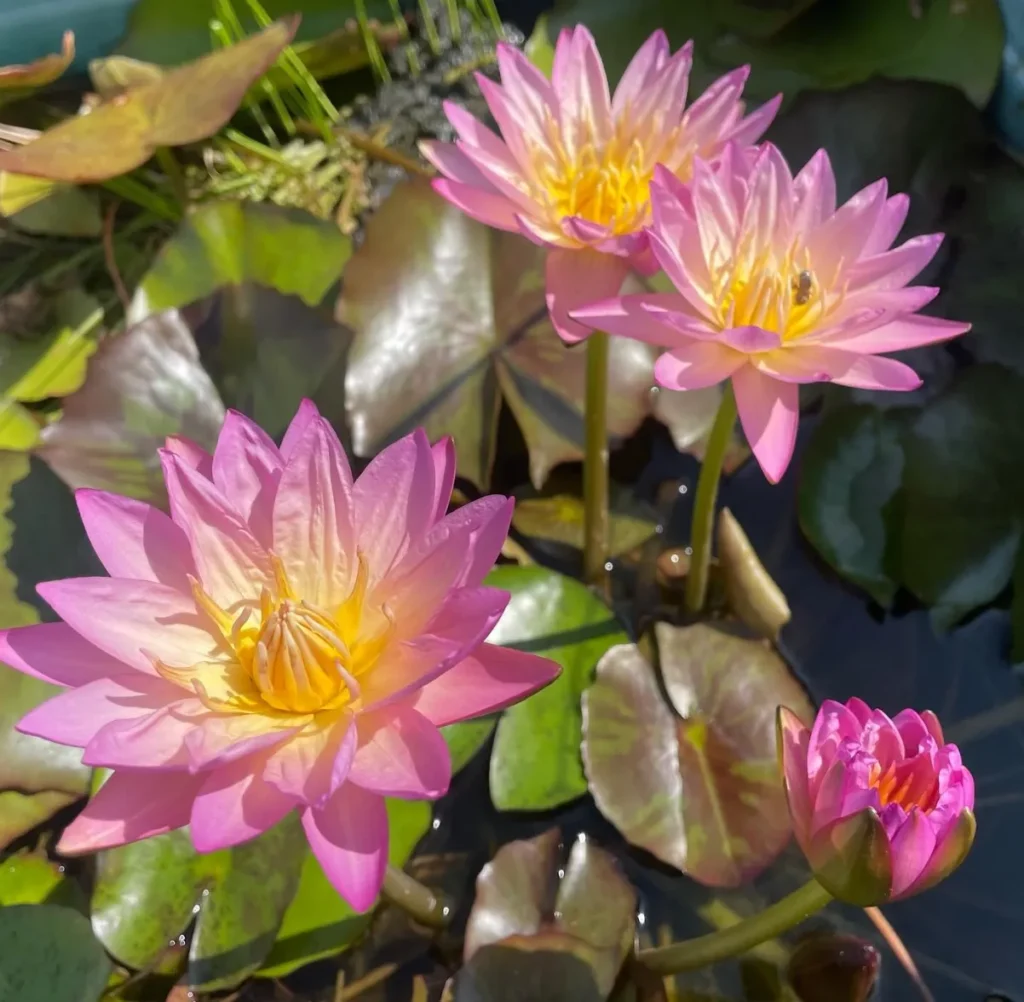
Wetlands and billabongs in Kakadu National Park have Nymphaea, or waterlilies, which are beautiful aquatic plants. In addition to their large floating leaves and showy flowers, they add beauty to floodplains and wetlands in general.
As beautiful as they are waterlily has important roles in aquatic ecosystem. Fishes of various kinds get shade from its floating leaves while insects and small animals eat the flowers. As Timothy Deadman says “by filtering water quality, supporting biodiversity etc. plants play big part in giving good receipt on biological homogeneity.”
Kurrajong with red flowers
The red flowered kurrajong Brachychiton acerifolius is a striking tree whose red flowers add colour to Kakadu’s forests. It’s not just beautiful it’s also important in the ecological setup of the park.
This plant has attractive petals that attract pollinators like bees and birds thus maintaining the health of the local ecosystem. And with its habitat and food for regional fauna still part of this diverse biological community of the park the Red Flowered Kurrajong does so much more. It adds aesthetic value to Kakadu and keeps the complexity within.
Conclusion
Flora in Kakadu National Park is a reflection of its environment and a tribute to the cultural connection between the Aboriginal people and their land. The vegetation here varies across different areas, including wetlands and waterfalls, Stone Country, and savannas. The wet and dry seasons bring out different aspects of this rich tapestry of flora seasonally, the environment is dynamic and ever changing. When you come here, you can see unique vegetation on sacred sites, rock art and other natural features that make up what we know as Kakadu today.
FAQ
When’s the best time for Kakadu National Park?
Wet season (November – April) to see the coastal swamps and landscapes at their best. Dry season (May-October) to walk clean trails through woodlands.
What are some of the key plant species to look for in Kakadu?
Red Bush Apple; speargrass; turkey bush; Darwin woollybutt; waterlily; kakadu plum; red flowered kurrajong- are some of them. Each of these has a specific role in the park.
How do seasonal conditions affect the plant life in Kakadu?
The wet season has heavy rainfall, and everything grows and flowers. It’s dry season, there’s no water, and everything dries out and changes and looks different.
Can you see Kakadu’s cultural and sacred places?
Yes, many of Kakadu’s sacred sites and cultural heritage areas are open to visitors; some may require guided Kakadu day tours from Darwin or special permission. These sites give insight into the Aboriginal culture and their connection to the land.
Are there tours of Kakadu’s plants and culture?
Yes, Kakadu Tours and Travel offer guided tours. These tours will show you the park’s flora, sacred sites and cultural heritage.