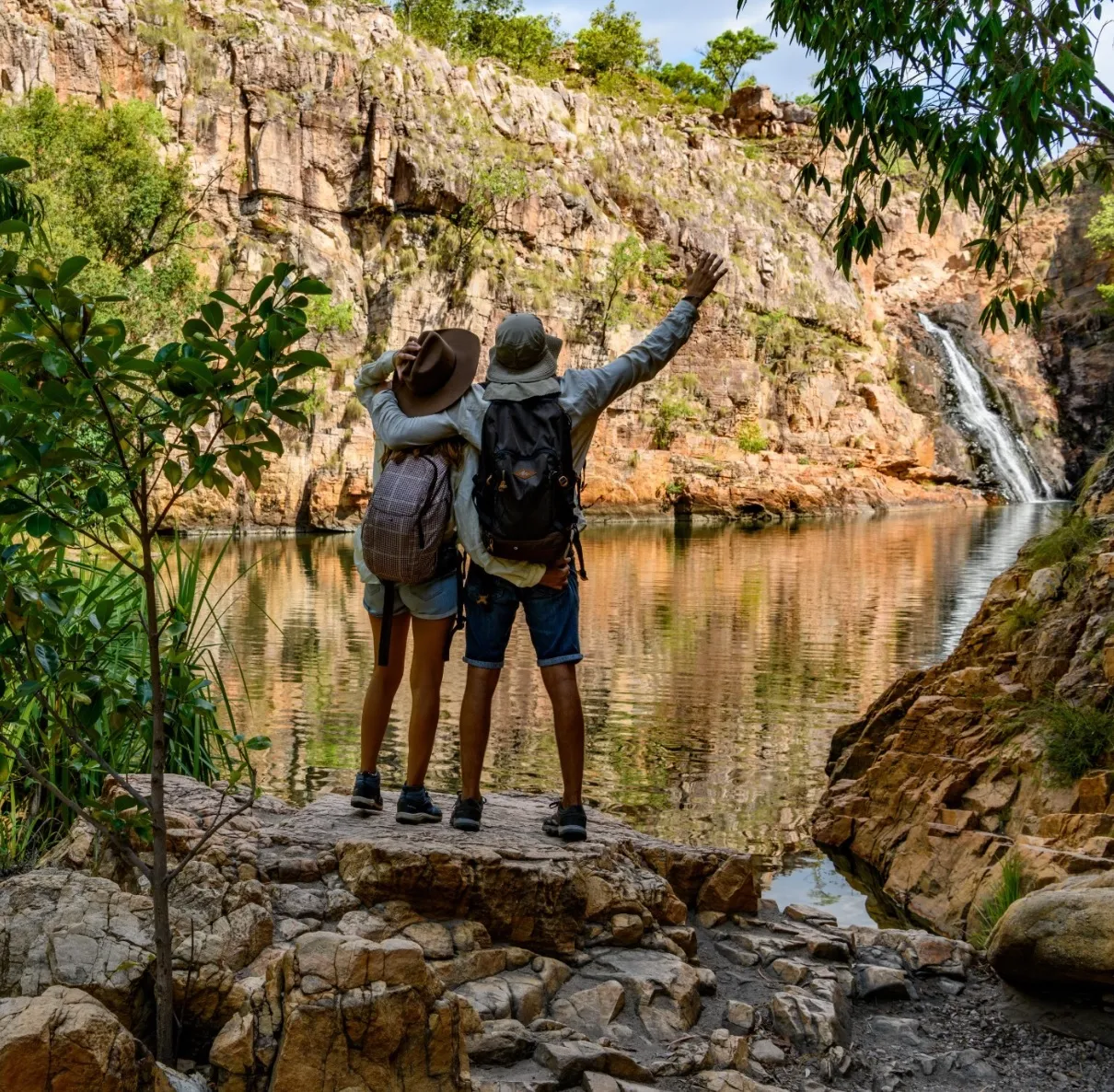
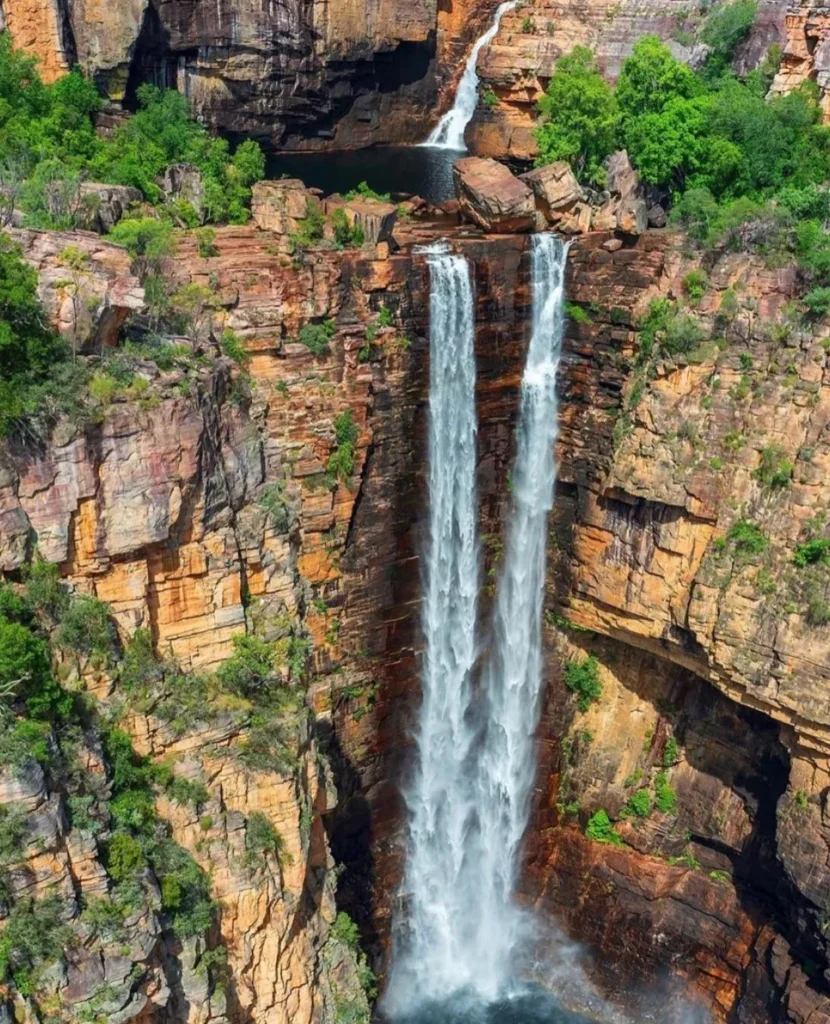
Buckle up for a fantastic journey into the wild in Kakadu National Park. Whether you are camping under the stars or arriving with your trailer, this national park features some of the most breathtaking sceneries around, including Jim Jim Falls and Yellow Water. This guide explains what you should consider when choosing your camping spot, the best time to visit, and the necessary equipment needed for camping at UNESCO World Heritage listed Kakadu National Park, which is rich in both nature and aboriginal culture.
Picking A Campsite
Kakadu National Park offers more than just a big park; it serves as an ancient rock art canvas with pools, wildlife, and other options, making it among the top places to camp where you can find peace or have fun. Deciding on the area within Kakadu where you wish to pitch a tent mainly depends on your preferences. Are there any water bodies where you would love to set up camp? i.e., Yellow Water Billabong, or do you prefer places like Koolpin Gorge, which offer more privacy? Conversely, maybe cultural sites near Ubirr and Nourlangie intrigue you. Therefore, here are tips on landing somewhere that defines who you are.
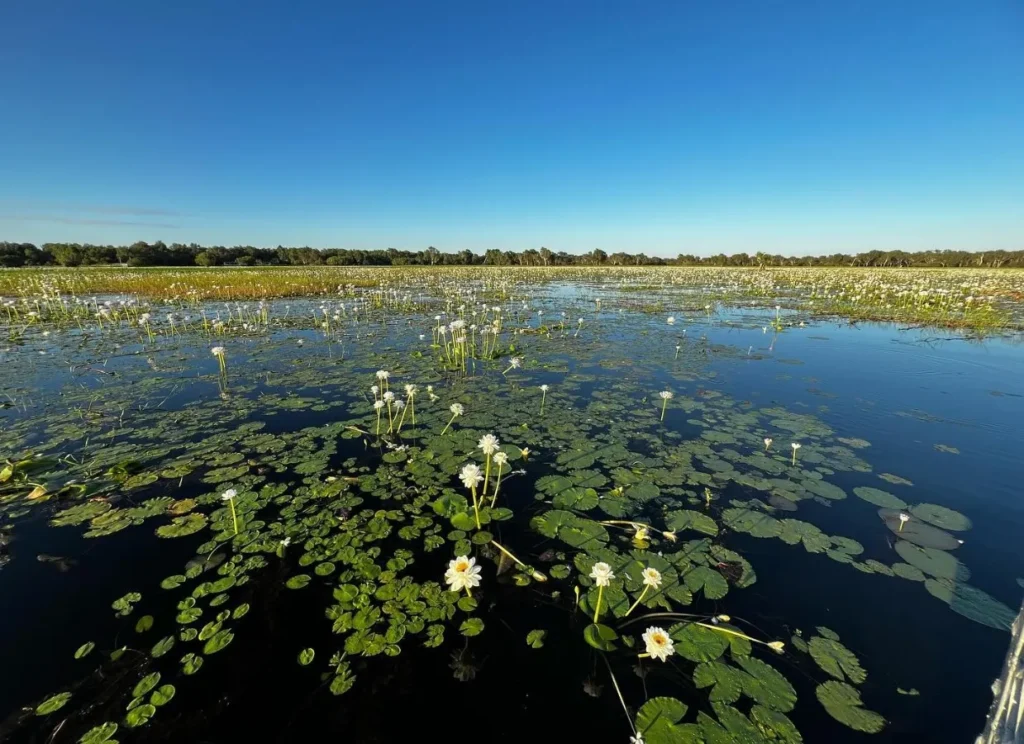
Popular Campsites Within the Park
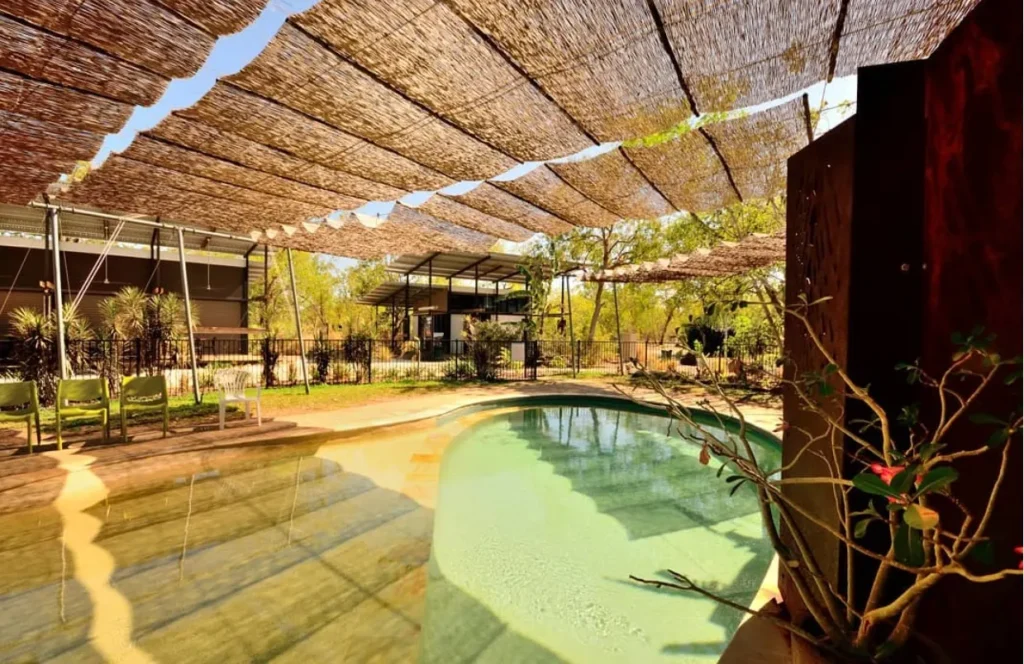
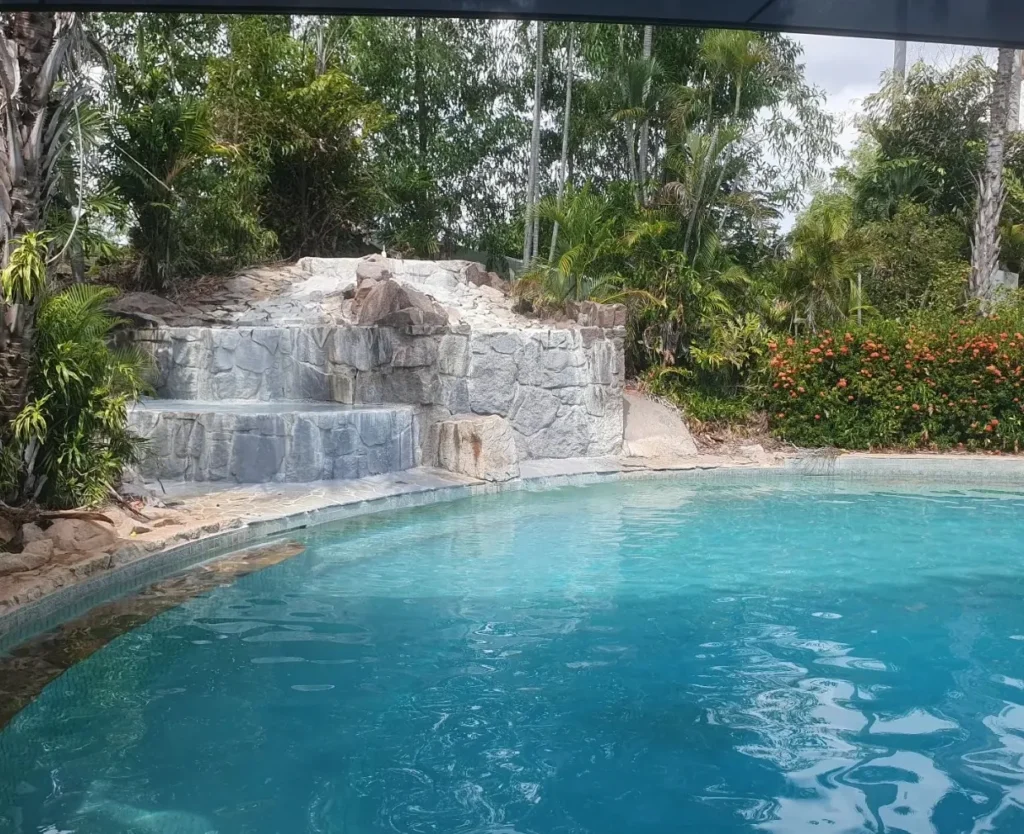
Options range from the luxurious accommodations of Kakadu Lodge, complete with a swimming pool and caravan access, up to Sandy Billabong or Alligator Billabong-type campsites that provide back-to-basics settings. Below is a summary:
- Mardukal Campground: Situated near Yellow Water Billabong, this campground offers basic amenities such as pit toilets and trails nearby. It’s an ideal location for bird watching as well as exploring wetland ecosystems.
- Merl Campground: Located close to Ubirr that is known for its old rock arts, Merl is an ideal base for accessing cultural significance of the place. The site has basics like toilets and shaded areas.
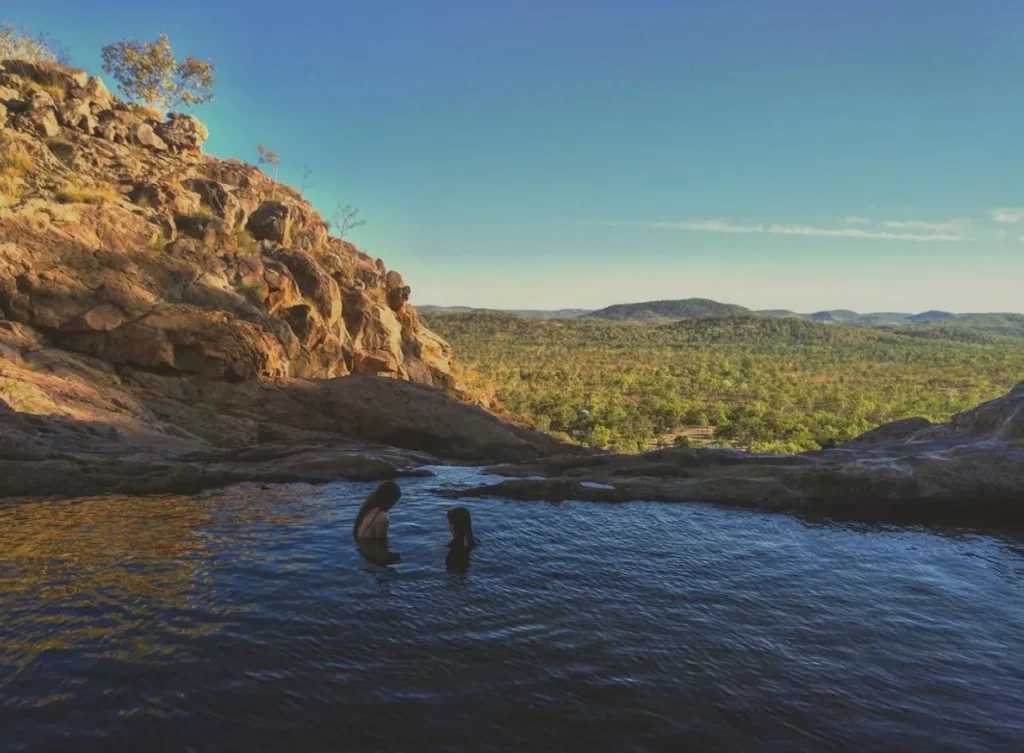
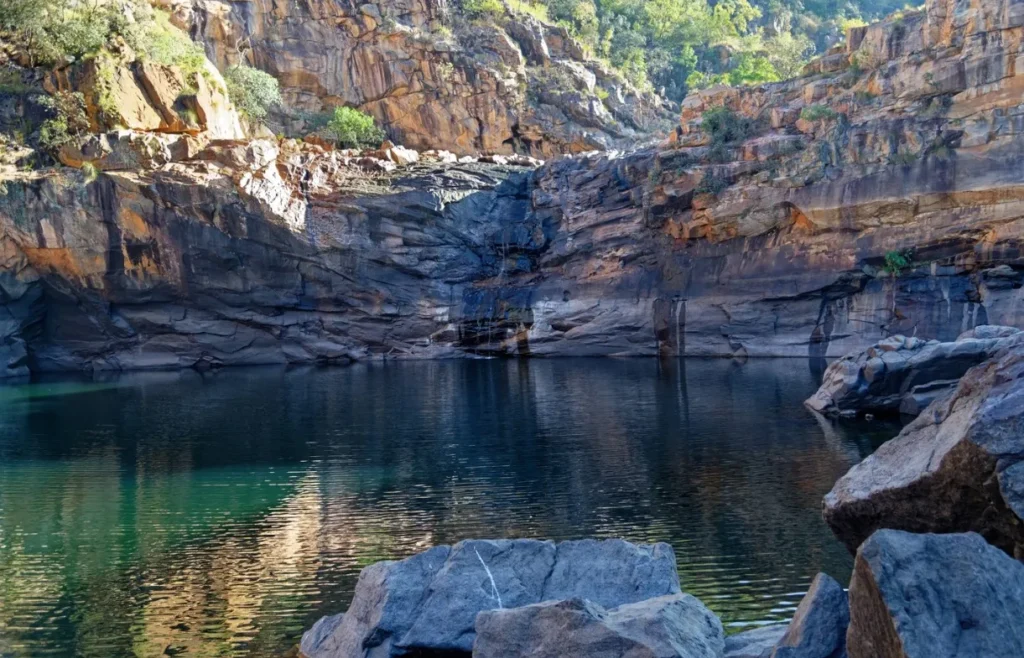
- Gunlom Campground: Incredible Gunlom Falls and its eternity pool make this camping ground the most beautiful place for visitors who cherish tranquillity. The cool, refreshing dip at the plunge pools makes it more irresistible especially after a day’s trekking.
Off-the-Beaten-Track Camping
Kakadu’s off-road sites are designed for those with 4WDs and an appetite for adventure. However, permit restrictions limit Koolpin Gorge or Jarrangbarnmi to a few visitors per day. Here you can find:
- Basic campground amenities are just enough to satisfy any hardcore adventurer.
- Access to exclusive walking tracks and plunge pools for a cool-off after a dusty drive.
Table: Comparison of Campsite Features
| Campsite | Features | Accessibility | Notes |
|---|---|---|---|
| Merl Campground | Pit toilets near rock art | Car, camper trailers | Close to cultural sites |
| Muirella Park | BBQ facilities, walking tracks | Car, caravan | Family-friendly; requires booking |
| Koolpin Gorge | Very basic permits required | 4WD only | Exclusive; limited access |
Camping with Entertainment
Some campgrounds like Kakadu Lodge and Anbinik Kakadu Resort double up as recreational facilities besides lodging places. It can be enlightening as well as thrilling when your camping experience is mixed with cultural shows on schedule and guided Darwin tours.
Camping in Comfort
For people who love their canvas accompanied by luxury touches such as en-suite bathrooms, Aurora Kakadu Lodge and Anbinik Kakadu Resort have some glamping options, while others even have infinity pools in them. These places provide a cozy haven where you can start your journey into wilderness from.
The Best Time for Camping in Kakadu
Timing is crucial when it comes to camping in Kakadu. There are two main seasons in the park: wet and dry seasons. Both have their own ups and downs:
- Dry Season (May to October): It’s best to visit during this time if you want to explore all the walking tracks of the park and reach every camp site there. The roads are also good, and chances of coming across saltwater crocodiles at campsites are minimized.
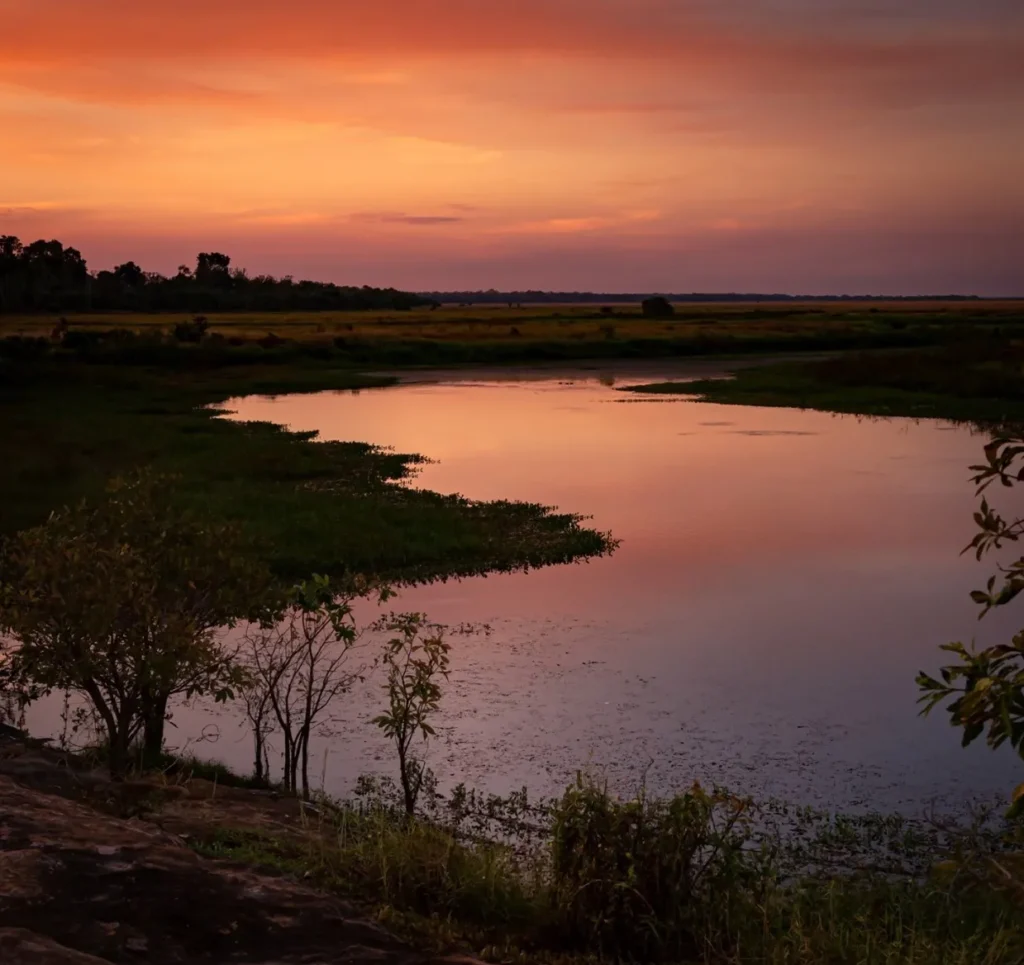
- Wet Season (November to April): Floods come with rains, increasing waterfalls, and the blooming of numerous plants. Nonetheless, several roads and sites become impassable due to heavy rain, while humidity levels may be high too.
Camping Supplies & Equipment
Going into Kakadu means being ready for anything. The kind of equipment one has can differentiate a normal camping trip from an unforgettable one. These include top-quality tents suitable for tropical climates and sleeping bags among other things up-to portable cooking devices plus enough liquid sustenance.
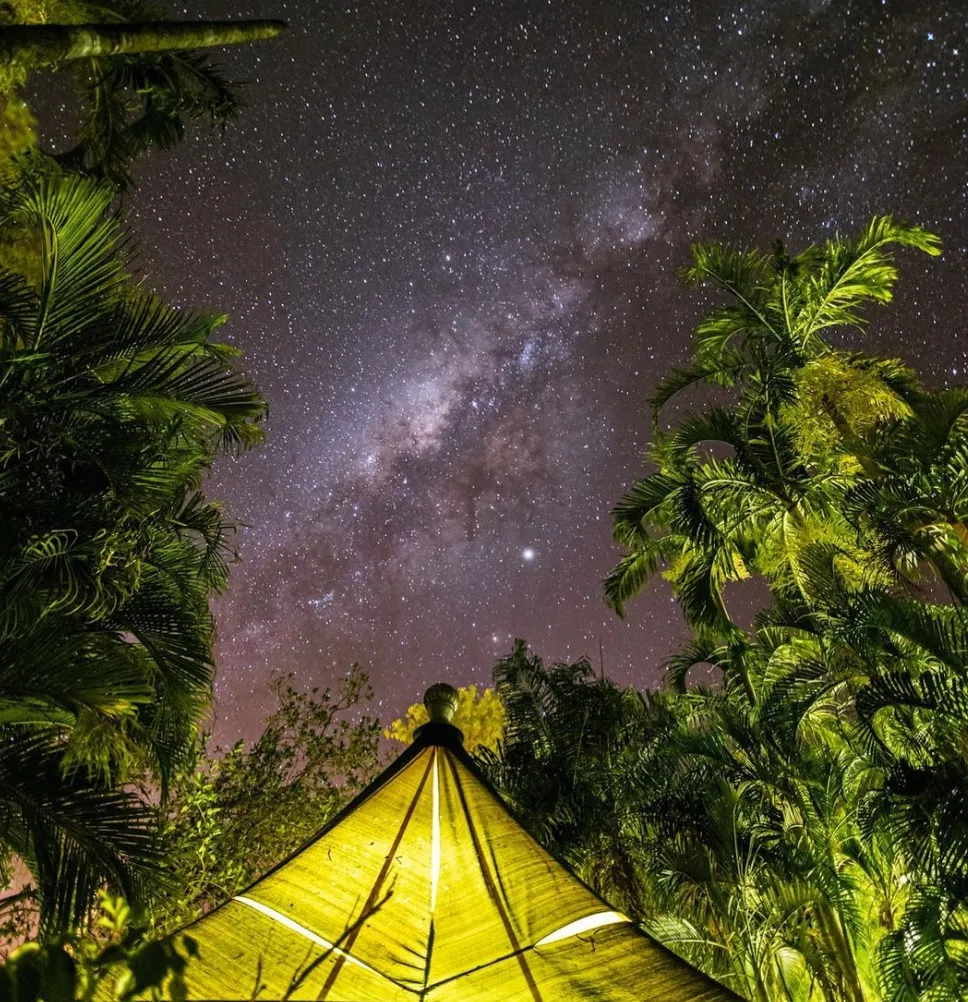
- Lightweight Durable Tent: Your tent becomes your church; therefore go for a model that is lightweight with enough ventilation which will be essential especially considering the hot humid nights experienced in this region.
- Sleeping Gear: A climate rated sleeping bag along side a comfortable matress pad is an absolute requirement.A hammock could be considered for bug-free clear skies.
- Cooking Equipment: With a portable stove, fuel, and utensils, one can easily prepare meals without any problem. Scanning some of these sites, I found out that many parks offer barbeque facilities, but it is good to have one’s own equipment that will ensure one is able to cook at any given time.
- Water Purification: Avoid using the waters in rivers and lakes because they might be homes to crocodiles. Instead, come up with a plan of ensuring water purification for safe drinking.
Safety measures
Handling Wildlife, Particularly Saltwater Crocodiles
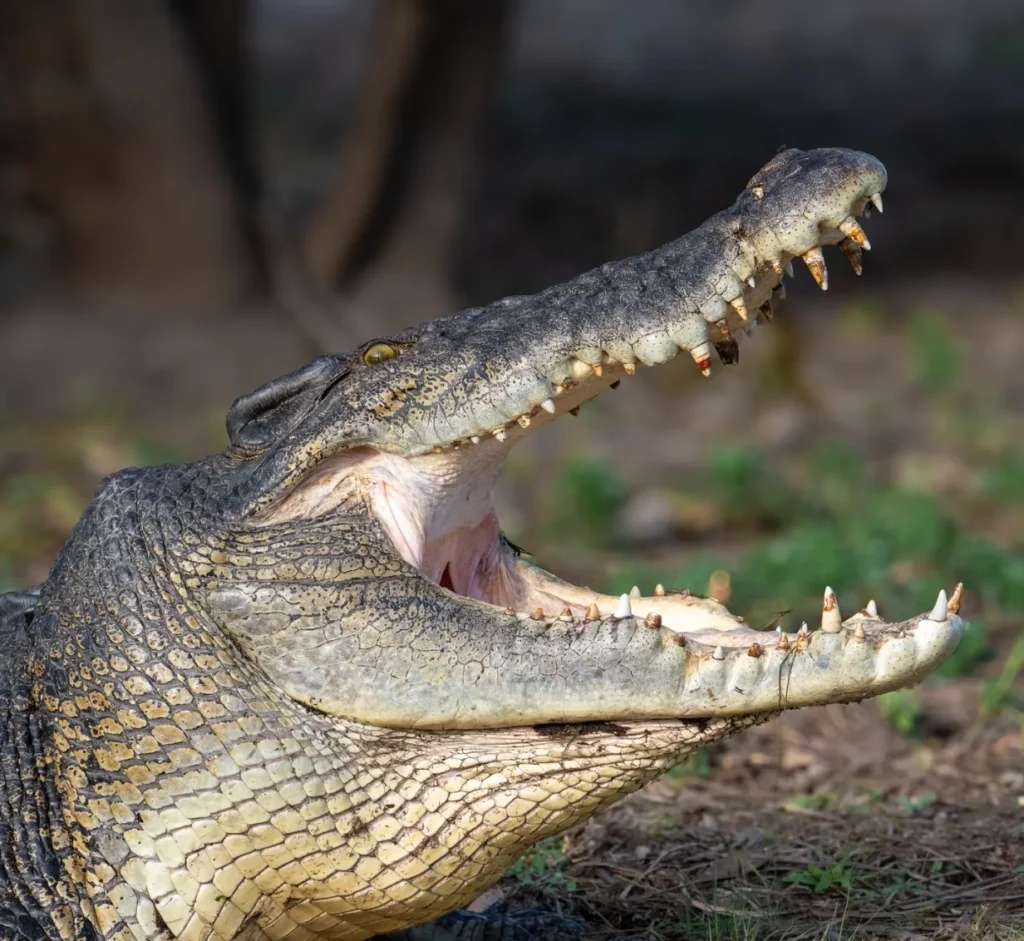
Kakadu National Park, aside from having breathtaking landscapes, is also known for its diverse wildlife. In Northern Australia, saltwater crocodiles are ever-present dangers, and as such, it is important to observe all safety precautions:
- Always obey signage and avoid swimming in undesignated safe areas.
- Camp away from the water’s edge and correctly dispose of food and waste to prevent attracting wildlife.
Emergency Procedures and Communication Devices
Being prepared during a disaster can make the difference:
- In places with no mobile network coverage, carry a satellite phone or personal locator beacon (PLB).
- Know where the nearest ranger stations and medical clinics are located.
Emergency planning does not only involve responding, but also preventing. Get information about the park’s ecosystems and possible dangers prior to your trip.
Camping in Kakadu National Park may be more than just an excursion; it can equally provide a fast track into an ancient landscape filled with animals’ stories and natural beauty. A successful trip to Kakadu starts by selecting the right camping site, packing adequately for your needs, observing safety regulations among others. Respecting this landmass that tells the tale of time is what Kakadu will give you if taken care off properly.
FAQs
What should I do to avoid encountering crocodiles while in Kakadu?
Camp only at designated sites, follow park rules and pay attention to warning signs. When dawn or dusk falls they become very active so keep out of these waters then.
How much does it cost to camp within Kakadu National Park?
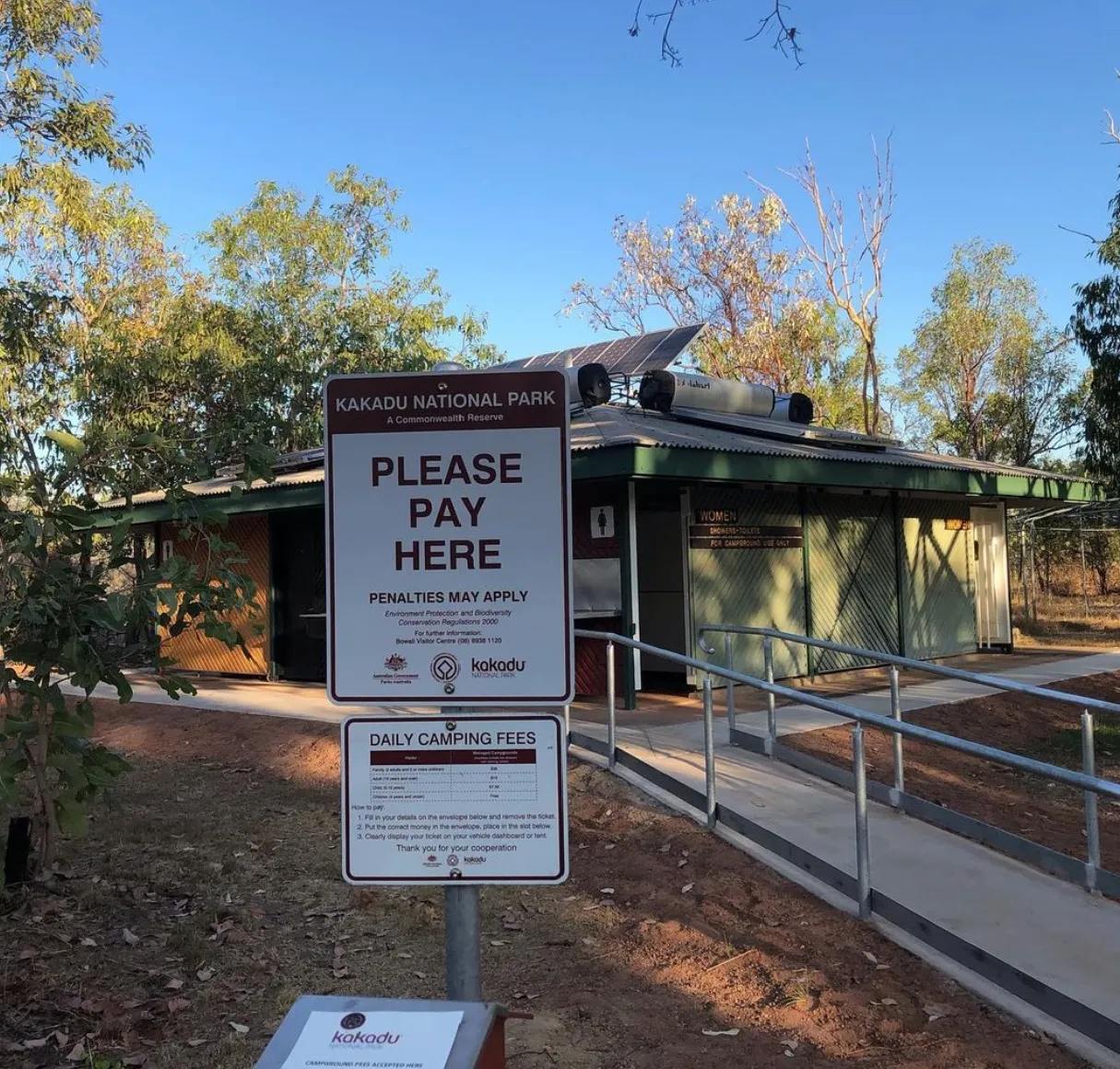
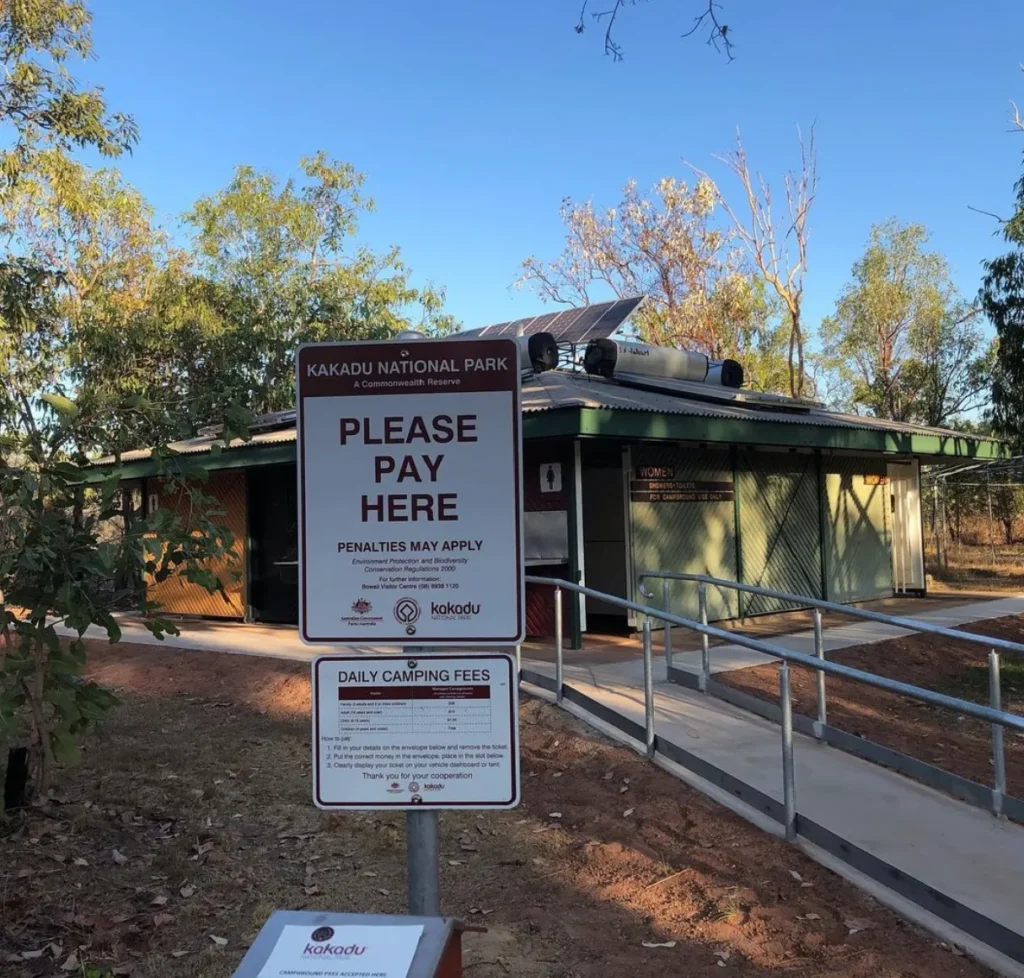
Yes, camping fees vary depending on facility available at each site. The basic campgrounds usually charge less than ones with shower facilities or electricity.
Can I come with my dog when going camping in Kakadu?
No pets are allowed inside because they affect native animals and the park’s balance.
How can I book a campsite with amenities in Kakadu?
Some campsites may be booked on Parks Australia website or directly at some of the campgrounds. However, during peak season it is advisable to book well in advance.
What should I do if I get lost while hiking in Kakadu?
Stay where you are so that you don’t get even more lost. Use your communication device to contact park authorities or emergency services. If you are hiking with others, use pre-established signals to indicate your location.